
TAAG Angola Airlines Strengthens Fleet with First Airbus A220-300 Delivery: Strategic and Economic Analysis
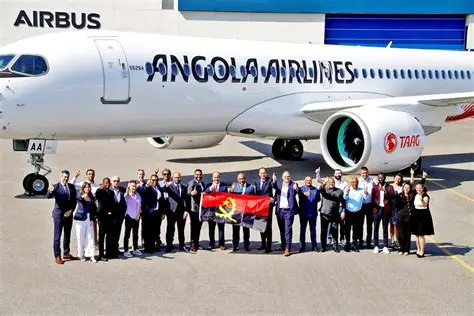
On November 10, 2026, TAAG Angola Airlines received its first Airbus A220-300, marking a significant step in the modernization and optimization of its fleet for regional and short-haul routes. This technologically advanced aircraft reflects the Angolan national carrier’s ambition to better meet dynamic demands in African and international markets.
A Fleet Modernization Tailored to Regional and Short-Haul Challenges
The Airbus A220-300 is recognized for its fuel efficiency, enhanced passenger comfort, and seating capacity ranging from approximately 130 to 160 depending on configuration. TAAG’s choice aims to optimize operating costs, reduce its carbon footprint, and improve the passenger experience, especially on routes with intermediate and frequent traffic.
This delivery fits into a targeted fleet renewal strategy intended to increase flight frequency while aligning capacity with the African market’s growing but sometimes volatile demand.
Economic Stakes and Regional Impacts
For TAAG, this investment signals a commitment to strengthening competitiveness amid rising airspace competition in Africa, particularly on domestic, regional, and select international hub routes. Modernizing the fleet with newer, more economical aircraft is a crucial lever to contain operational costs, enhance punctuality and reliability, and boost the airline’s attractiveness.
Regionally, introducing the A220-300 enhances network density, fostering better connectivity between Angolan and African markets and stimulating trade and tourism. For investors, this move represents a positive indicator of professionalism and a quality upgrade within a sector facing increasing sustainability and efficiency demands.
Outlook and Challenges for African Air Transport
TAAG’s reception of the Airbus A220-300 exemplifies a broader trend of technological modernization across African aviation. The sector faces the challenge of balancing growth, sustainable development, and service quality.
Improving airport infrastructure, upgrading workforce skills, and adapting to international standards remain critical issues. TAAG and its peers must continue efforts to balance commercial expansion with cost control while meeting increasingly stringent environmental requirements.
This initiative illustrates positive momentum but also highlights the need for integrated, collaborative strategies to sustainably enhance the competitiveness and resilience of African airlines in a changing global context.