
Sky Mali Adds Boeing 737-300 on ACMI Contract: Strategic Analysis and Implications for the West African Market
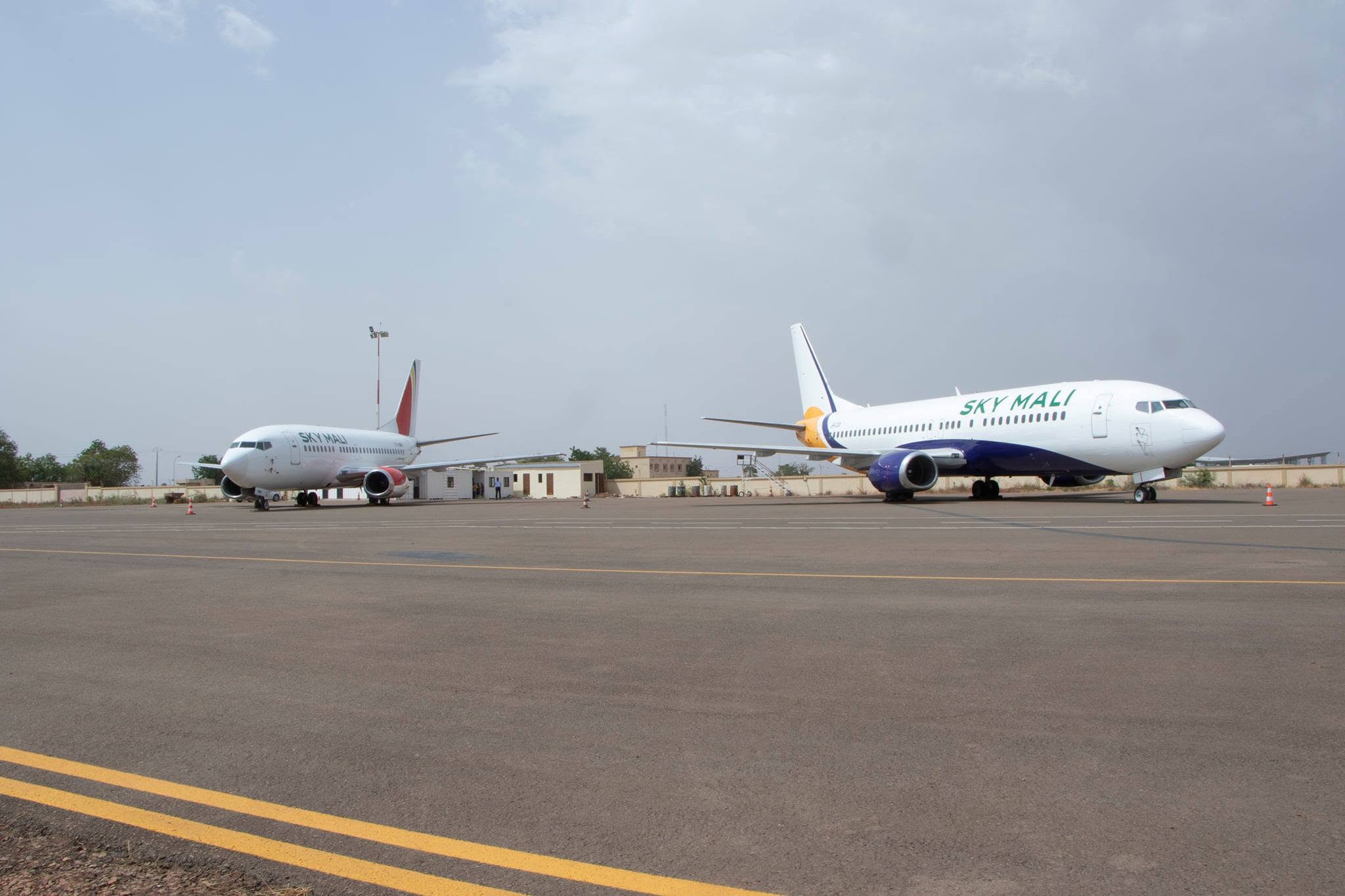
On November 8, 2026, Sky Mali announced the addition of a Boeing 737-300 to its fleet under an ACMI (Aircraft, Crew, Maintenance, and Insurance) lease contract, aiming to quickly enhance its operational capacity and expand its domestic and regional network.
Boeing 737-300 on ACMI: A Tactical Solution for Immediate Needs
The Boeing 737-300 ACMI lease allows Sky Mali to rapidly overcome limitations of its current fleet by using a mature and reliable aircraft suited for short- and medium-haul routes. With a seating capacity of around 140 passengers, this model fits well with the diverse infrastructure and moderate distances typical of African domestic and regional flights.
The ACMI contract provides flexibility by including aircraft provision, crew, maintenance, and insurance supplied by the lessor, reducing initial investment and risk for the Malian carrier.
Economic and Strategic Stakes for Sky Mali and the Region
This move reflects Sky Mali’s intention to strengthen its foothold in the West African aviation market amidst rising demand for connectivity. It addresses challenges related to infrastructure constraints and limited financial resources that often restrict direct aircraft purchases.
Choosing the Boeing 737-300, though less modern than some competing fleets, is a cost-effective compromise aligned with current operational needs. For regional governments, enhancing local air capacity supports greater economic integration, fostering trade and tourism development.
Outlook and Challenges for West African Air Transport
The growing use of ACMI leasing by African airlines offers a flexible means to manage fluctuating activity levels and swiftly respond to market dynamics. However, this approach requires careful operational management, especially regarding maintenance coordination and crew integration.
In the medium term, Sky Mali will need to balance such flexible arrangements with investment in fleet modernization to meet increasing safety, fuel efficiency, and passenger comfort standards.
This strategy highlights the complexities of aviation development in the region, where rapid adaptation and prudent resource management are essential to achieving sustainable sector growth.