
Nigeria: United Nigeria Airlines Leverages ACMI Deal to Boost Capacity on Regional Routes
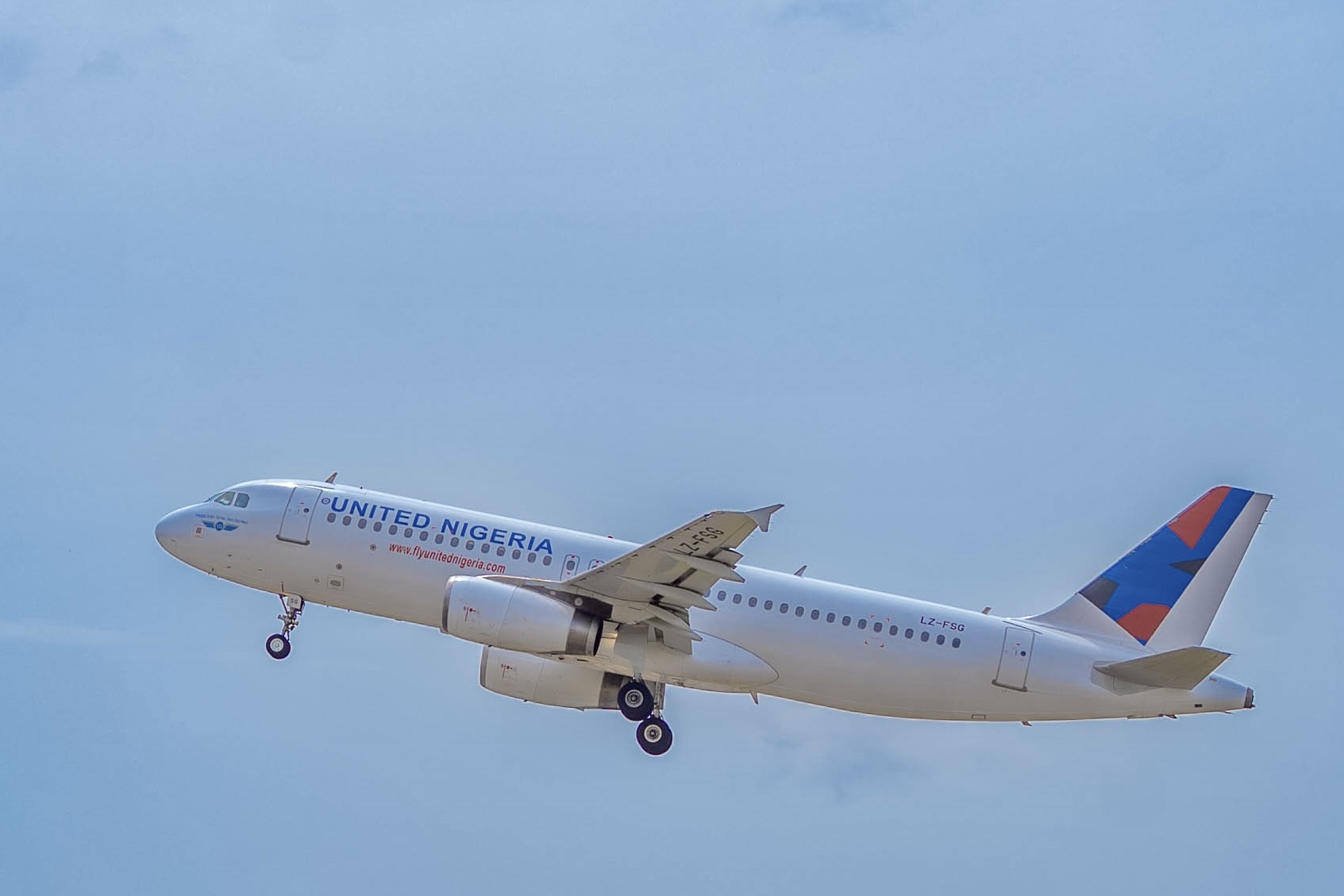
By integrating an Airbus A320 operated by Bulgarian specialist Fly2Sky, private carrier United Nigeria Airlines is adapting its operational model to overcome capital constraints and meet surging demand across West Africa. This capacity expansion highlights the strategic adoption of wet-leasing as a key flexibility tool within a constrained Nigerian aviation market.
Operational Scale-Up Beyond the Regional Model
Historically structured around a fleet of 50-seater Embraer ERJ145 aircraft, United Nigeria Airlines is moving into a higher category. The introduction of the Airbus A320—offering approximately 150 seats—allows the carrier to triple its available seat-kilometers (ASK) on core routes.
This capacity leap addresses a structural duality in the Nigerian market: balancing regional feeder aircraft suited for frequency with narrowbody jets capable of absorbing demand surges out of the Lagos hub and into the sub-region.
+---------------------------------------------------------------------------------------+
|                    UNITED NIGERIA FLEET PROFILE EVOLUTION                             |
+-------------------+-----------------------------------+-------------------------------+
| Aircraft          | Embraer ERJ145 (Owned Fleet)      | Airbus A320 (ACMI Lease)      |
| Capacity          | ~50 seats                         | ~150 seats                    |
| Range             | Regional short-haul               | Sub-regional medium-haul      |
| Strategic Role    | Route feeding & high frequency    | Trunk route capacity boost    |
+-------------------+-----------------------------------+-------------------------------+
ACMI as a Financial and Operational Buffer in West Africa
Selecting an ACMI (Aircraft, Crew, Maintenance, Insurance) arrangement with Fly2Sky directly mitigates foreign exchange shortages and liquidity constraints that currently hinder Nigerian carriers from outright fleet purchases. By outsourcing crew management, maintenance, and insurance to the lessor, the airline avoids heavy capital expenditure (CAPEX) while bypassing long lead times for dry-leased or newly manufactured aircraft.
This approach delivers critical agility to:
-
Manage Seasonality: Instantly scale capacity during peak travel periods without carrying the overhead of idle aircraft during low seasons.
-
Cover Maintenance Downtime: Preserve schedule integrity during heavy maintenance checks (C-Checks) on existing fleet units.
-
Test New Destinations: Evaluate the profitability of cross-border West African routes without committing long-term capital.
Economic Implications for Aviation and Regional Travel
Injecting capacity into high-density segments shifts local market dynamics. For business and leisure travel stakeholders, higher seat availability alleviates pricing pressures during peak periods and enhances schedule reliability for multi-leg itineraries.
However, this strategy introduces operational management challenges. Integrating wet-leased crews requires seamless coordination with local ground handling teams. Furthermore, operating larger aircraft into secondary airports—where infrastructure may be constrained—demands strict cost-per-available-seat-kilometer (CASK) control.
Sector Outlook
The growing reliance on ACMI contracts among mid-sized West African carriers underscores a broader trend: amidst local currency volatility and supply chain bottlenecks for spare parts, operational flexibility takes precedence over asset ownership. As implementation of the African Continental Free Trade Area (AfCFTA) and the Single African Air Transport Market (SAATM) advances, carriers capable of rapidly scaling narrowbody capacity will secure a decisive advantage on cross-border routes.