

Kenya: A New 1-Billion-Shilling Investment to Modernize Kisumu Airport
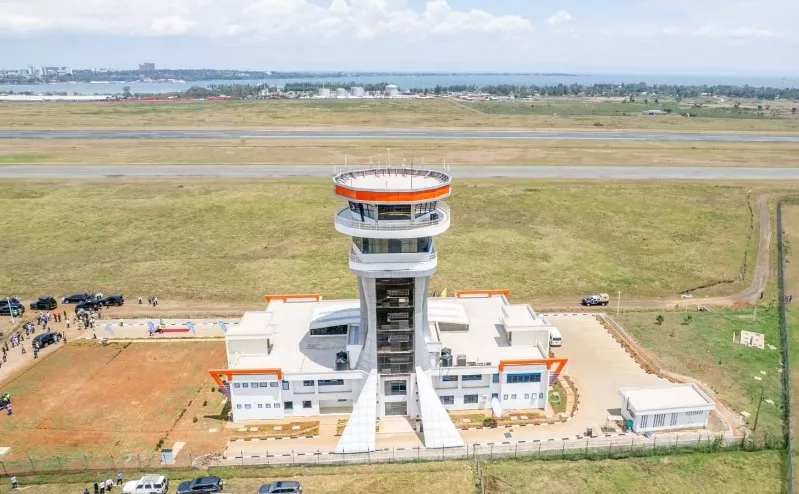
The Kenyan government continues to upgrade its secondary aviation infrastructure. The commissioning of a new eight-storey control tower at Kisumu International Airport marks a key milestone in developing connectivity across the Lake Victoria basin, boosting the region’s operational capacity.
A Technological and Operational Leap for Western Kenya
Kisumu International Airport has been equipped with a new eight-storey control tower, marking a turning point in the management of its airspace. Built at a total cost of 1 billion Kenyan shillings (KSh) and fully funded by the federal government, this project replaces an outdated colonial-era structure. Completed in 15 months under the direction of engineer Polycarp Mburo, the facility integrates state-of-the-art guidance and air traffic management equipment.
Strategic Imperatives and Regional Economic Integration
Upgrading safety and navigation standards in Kisumu is part of a broader government program designed to stimulate the Nyanza economic hub. This regional investment plan, estimated at between KSh 600 billion and KSh 700 billion, combines airport modernization, road extensions, and the development of lake port infrastructure.
By enhancing flight operation reliability, the new control tower aims to:
-
Expand handling capacity: Accommodate higher commercial flight frequencies and facilitate the opening of new regional routes.
-
Support the supply chain: Streamline air cargo transport and boost cross-border commercial trade around Lake Victoria.
-
Optimize regulatory oversight: Enable the Kenya Civil Aviation Authority to deliver traffic management aligned with international standards.
Market Impact for Industry Players
For airlines and logistics operators, upgrading Kisumu’s facilities reduces operational risks and improves flight punctuality. For the Kenyan government, this investment reflects a drive to decentralize air traffic flows—hitherto heavily concentrated at Nairobi’s Jomo Kenyatta hub—in order to stimulate regional development and local tourism appeal.
Outlook
While modernizing navigation equipment is an essential prerequisite for expanding the secondary airport network, the key challenge will be maintaining long-term infrastructure profitability. Attracting new scheduled routes and expanding direct international connections will dictate the actual return on investment for the region’s aviation ecosystem.