
EgyptAir Receives Its Fifth Airbus A350-900: Strategic Analysis and Economic Impacts
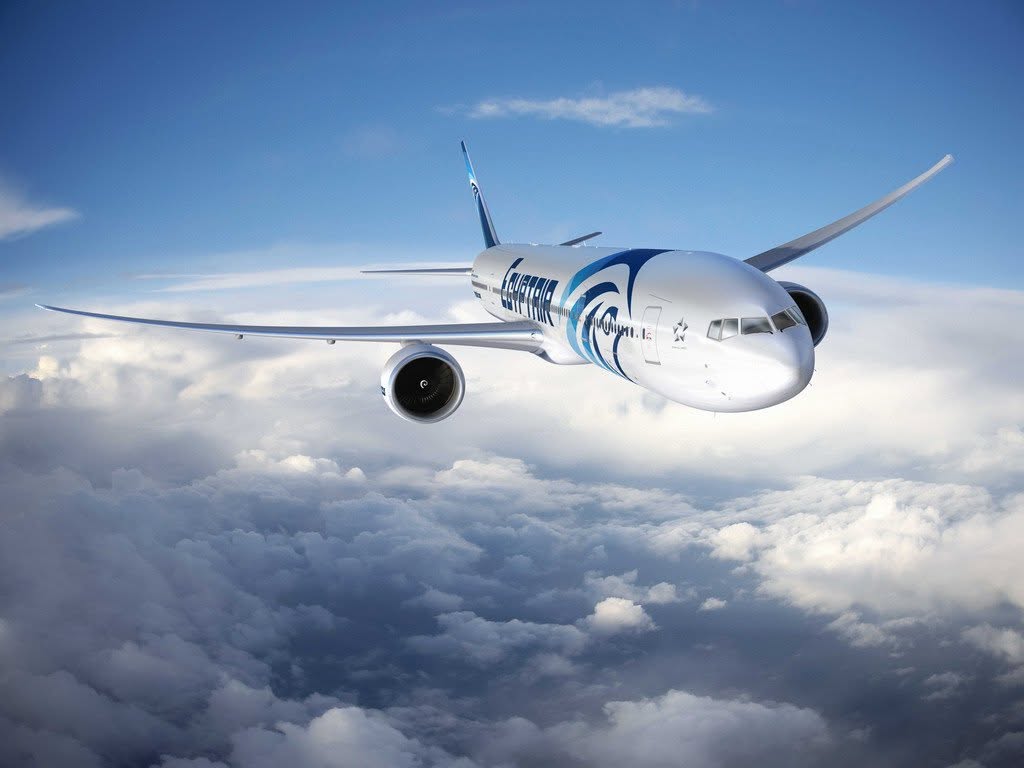
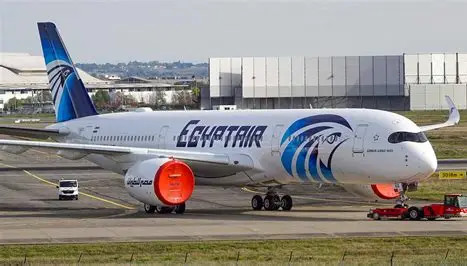
On November 8, 2026, EgyptAir took delivery of its fifth Airbus A350-900, continuing its long-haul fleet modernization. The aircraft, registered SU-GGK, was delivered directly from Airbus’s Toulouse facility, demonstrating the airline’s drive to enhance its competitiveness on international routes.
Fleet Modernization: A Key Priority for EgyptAir
The A350-900, configured with 340 seats—30 in business class and 310 in economy—is designed to optimize fuel efficiency while offering improved passenger comfort. With a range of nearly 18,000 kilometers, this aircraft enables EgyptAir to serve longer routes non-stop, reducing logistical and operational costs.
This delivery is part of a 16-aircraft order, signifying a substantial renewal effort to gradually replace older Boeing 777-300ER models. The transition aims to improve the airline’s economic performance through better fuel efficiency and lower maintenance costs.
Economic Stakes and Regional Positioning
For the Egyptian government, supporting EgyptAir’s fleet upgrade is a strategic lever to maintain and strengthen Cairo’s role as a major airport hub in Africa and the Middle East. Enhancing the long-haul fleet expands access to global markets, boosts tourism and trade flows, and supports the local economy.
On a competitive level, the deployment of the A350-900 could reshape the intercontinental flight landscape out of North Africa by posing a direct challenge to regional and international carriers operating in the area. Investors will closely watch this development, which signals proactive asset management and a move toward more sustainable technologies.
Outlook for the African Aviation Market
This delivery reflects a broader trend of fleet modernization within the African aviation sector, where fleet quality is a vital factor in competitiveness and sustainability. In the medium term, such renewals could increase capacity, open new routes, and positively impact continental and international connectivity.
However, this transition also presents challenges: increased training needs for crews, infrastructure adaptation at airports, and managing the costs of operating next-generation technology amid sometimes volatile economic conditions.
EgyptAir’s adoption of the A350-900 thus mirrors the ambitions and realities of African aviation, highlighting the need for coordinated strategies among governments, airlines, and investors to fully capitalize on opportunities while anticipating risks.