
AIR CARGO: AFRICA BECOMES THE NEW BATTLEGROUND FOR GLOBAL LOGISTICS GIANTS
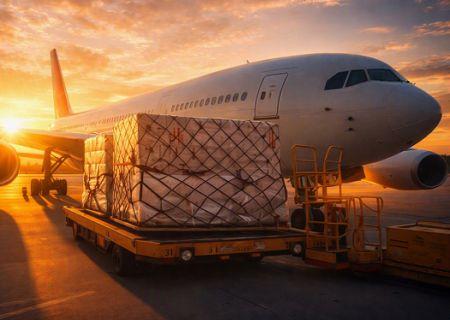
The continent is posting the strongest air cargo growth in the world. A boom that is attracting Gulf carriers and reshaping global trade routes.
The African air cargo market is booming. And the world’s major carriers have taken notice.
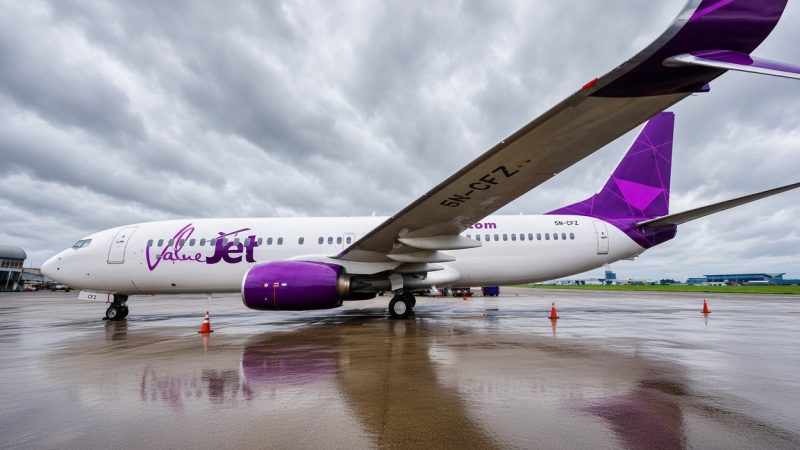
The latest example: *flydubai*. In a statement released on September 11, the Emirati airline announced it will strengthen its cargo operations with three new Boeing 737-800 freighters, each with a capacity of 23 tonnes. The aircraft will be operated under an ACMI lease with SolitAir from Al Maktoum International Airport (DWC) in Dubai, complementing the belly cargo capacity of its 98 passenger aircraft.
This move is no coincidence. It comes as Africa is outperforming all other markets.
According to IATA figures, African airlines’ cargo demand jumped by 21% year-on-year in February 2026, compared to a global average of just 11.2%. Capacity grew by 17.3% over the same period. It is the fifth consecutive month that Africa has posted the strongest growth in the world.
What is driving this surge? The Africa-Asia corridor. Volumes on this route soared by 61.9% in February, marking its eighth consecutive month of growth.
Gulf Hubs Make Their Move
This growth is creating a massive need for additional lift and a strategic opportunity: to connect Africa to major global consumption centers.
In this race, Gulf carriers have a head start:
– Emirates SkyCargo : Already carrying 3,820 tonnes per week to and from Africa in early 2025, with its freighter fleet set to grow to 21 aircraft.
– Qatar Airways Cargo : Holds 12% of the global air cargo market with over 70 freighter destinations from its Doha hub.
– Etihad Cargo : Plans to open 6 new African destinations by March 2027, including Lagos, Accra, and Kinshasa.
The stakes are clear: rising intra-African trade and the growth of e-commerce, pharmaceuticals, and perishables are driving demand for fast transport of high-value goods.
While African carriers like Ethiopian Airlines remain leaders on their home continent, the race to control intercontinental flows is on. For now, the hubs of Dubai, Doha, and Abu Dhabi are moving their pieces the fastest.