
Sky Vision Airlines: Fleet Expansion as a Lever to Strengthen Its Position in the Aviation Market

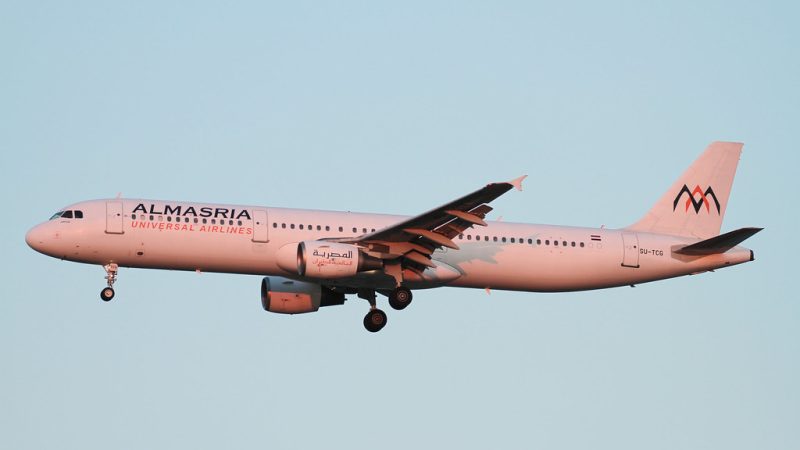
Sky Vision Airlines’ fleet development reflects a growth strategy that combines passenger transport with air cargo operations. The Egyptian private carrier has built part of its operational model around the Airbus A320 family while seeking to expand its capabilities across different segments of the air transport market. However, the reported addition of a sixth A320 must be distinguished from the number of aircraft actually in service to accurately assess the significance of this development.
A Fleet Strategy Combining Passenger Transport and Cargo Diversification
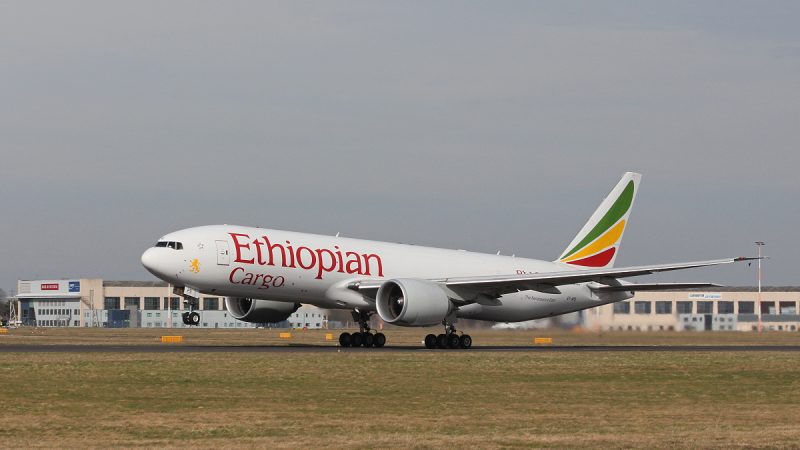
The Egyptian airline has pursued its development around the Airbus A320 family, while also establishing a presence in the air freight segment. In April 2024, it took delivery of its first A320 converted into a freighter, followed by a second A321 freighter in March 2025.
This diversification helps explain the direction of its business model: operating across different segments of air transport and seeking complementary revenue streams beyond passenger services.
Leasing as a Fleet Expansion Tool
Aircraft leasing is an important mechanism for airlines seeking to increase capacity without immediately bearing the full cost of direct ownership. It can provide access to available aircraft and greater operational flexibility, but it also exposes operators to rental payments, contractual obligations and fluctuations in operating costs.
For Sky Vision Airlines, the key question therefore extends beyond the number of aircraft added to its fleet. It also concerns aircraft utilisation, the commercial agreements supporting their deployment and the company’s ability to generate sufficient revenue to cover financing and operating expenses.
In January 2026, NewsAero also reported that an Airbus A320 operated by the airline had been placed with Air Cairo under a wet-lease agreement. This arrangement illustrates the role that aircraft leasing can play in the carrier’s commercial strategy.
Implications for the African Aviation Market
Although Sky Vision Airlines is an Egyptian operator rather than a sub-Saharan African carrier, its development is relevant to the broader regional aviation landscape. Egypt occupies a strategic geographical position between Africa, the Middle East and Europe, while aircraft leasing and air cargo activities help shape connectivity and commercial exchanges between operators.
For airlines, access to leased aircraft can provide greater flexibility in fleet management. For investors and lessors, it creates commercial opportunities, provided that contracts are supported by sustainable demand and effective operational risk management.
Diversification into air cargo also involves specific requirements, including aircraft availability, maintenance capacity, operational planning and the identification of markets capable of sustaining long-term activity.
Expansion Will Ultimately Be Measured by Profitability
Sky Vision Airlines’ progress should be assessed through several indicators: the number of aircraft actually in service, utilisation rates, the stability of leasing agreements and the performance of its passenger and cargo operations.
An important qualification remains: the full text of the original article concerning the sixth Airbus A320 was not accessible during preparation of this report. The number of aircraft involved, the precise arrangements securing the aircraft and its expected entry-into-service date therefore cannot be independently confirmed from the information available.
For Aeroscope Africa, the editorial priority is to distinguish the announcement concerning this aircraft from the airline’s previously documented developments. Once the relevant details are confirmed, the transaction can be assessed to determine whether it represents a genuine increase in operational capacity or another stage in the company’s leasing and diversification strategy.