
Air Cargo: Argentina Grants Ethiopian Airlines Traffic Rights Extending to Domestic Cabotage
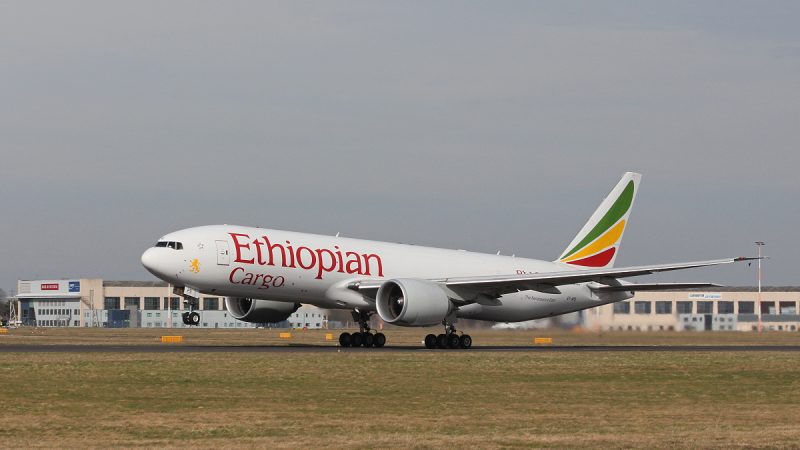
 Argentina has authorised Ethiopian Airlines to operate scheduled all-cargo services with traffic rights extending to the ninth freedom of the air. The decision broadens the Ethiopian carrier’s regulatory options in the Argentine market, including the possibility of operating domestic freight services. It reflects a wider effort to liberalise air transport and raises important questions about competition, logistics connectivity and market access for international cargo operators.
An Authorisation That Expands Ethiopian Airlines’ Operational Scope
Argentine authorities have granted Ethiopian Airlines traffic rights covering several categories of international cargo services, extending to the ninth freedom of the air.
This freedom allows a foreign airline, in principle, to operate independent domestic services within another country. For Ethiopian Airlines, it creates the regulatory possibility of transporting goods between Argentine cities, subject to applicable operational and administrative requirements.
However, the authorisation does not mean that the airline will immediately launch domestic routes. The actual implementation of these rights will depend on the carrier’s commercial decisions, market demand and local operating conditions.
Air Cargo as a Driver of Commercial Growth
Air freight plays a critical role in the movement of goods requiring short delivery times, enhanced traceability or specialised transport conditions.
By allowing Ethiopian Airlines to consider a broader range of operations, Argentina’s decision could create additional service options for shippers, freight forwarders and logistics companies.
For the airline, the challenge will be to turn this regulatory flexibility into sustainable revenue. Profitability will depend on available cargo volumes, aircraft load factors, operating costs and the ability to secure contracts with domestic and international customers.
An Opening Within the Framework of Bilateral Aviation Relations
The decision forms part of the aviation relationship between Argentina and Ethiopia, which was strengthened by a memorandum of understanding signed in January 2025.
The expansion of traffic rights reflects an effort to ease market access for cargo services. For Argentina, this could help diversify logistics options and expand freight transport capacity. For Ethiopia, it offers its national carrier an additional opportunity to develop its international business.
Regulatory liberalisation, however, does not automatically guarantee increased competition or lower freight rates. Those outcomes will depend on the number of operators serving the market, the capacity actually deployed and the commercial terms offered to customers.
What Does This Mean for African Aviation Operators?
The decision is relevant to the African aviation industry because it illustrates how expanded traffic rights can facilitate access to markets beyond the continent.
Ethiopian Airlines has an international network and established cargo activities that enable it to explore operations beyond conventional routes linking its home country with overseas destinations. Access to additional traffic rights could increase commercial flexibility and support new connections between markets.
For other African airlines, the Argentine case highlights how international cargo growth depends not only on operational capacity but also on bilateral agreements, regulatory approvals and effective logistics partnerships.
Nevertheless, the decision does not establish a precedent that automatically applies to other markets. Each country retains its own legal framework and conditions governing domestic cabotage.
From Regulatory Rights to Operational Results
The economic significance of this authorisation will ultimately depend on the services actually introduced. Key indicators to monitor include new routes, flight frequencies, cargo volumes and the airline’s ability to generate sufficient revenue from its operations.
Another important question is whether the opening will improve the integration of Argentina’s logistics chains or primarily provide Ethiopian Airlines with greater flexibility in organising its international cargo operations.
Ultimately, the decision highlights an important trend in air transport: the search for regulatory frameworks that enable cargo operators to expand their market reach. For Ethiopian Airlines, the opportunity is clear in regulatory terms, but the economic impact will depend on commercial execution. For African cargo operators, the development reinforces the importance of combining operational capacity with strategic partnerships and negotiated traffic rights to access international markets.