
Flightlink Launches Change Management Program for ATR 72-600 Integration: Operational and Strategic Challenges
In November 2026, Flightlink, a regional airline based in Tanzania, announced the launch of a structured change management program to support the gradual introduction of ATR 72-600 aircraft into its fleet. This initiative reflects the airline’s commitment to managing the operational, human, and organizational impacts of this fleet renewal.
A Complex Challenge of Technological and Operational Integration
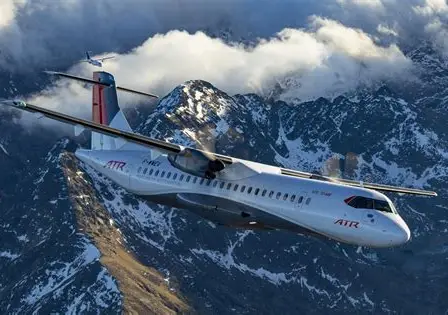
The ATR 72-600, a modern twin-engine turboprop, offers optimized performance in fuel consumption, range, and passenger comfort. However, integrating the aircraft requires careful adaptation of processes, specific training for crews and technicians, and updates to internal systems.
Flightlink’s change management program aims to anticipate and mitigate transition risks by promoting staff engagement, adjusting maintenance networks, and ensuring continuous service quality.
Strategic Stakes for Flightlink and the Regional Market
This program represents a critical step in the fleet modernization necessary to meet increasing demands for performance, safety, and economic efficiency in the East African market.
Effective management of this operational change is crucial for Flightlink as it seeks to strengthen its position by enhancing the customer experience while optimizing operating costs. The approach also reflects a broader regional trend where airlines invest in aircraft suited to diverse airport environments and fluctuating demand.
Outlook and Transformation Challenges
The program’s success will depend on Flightlink’s ability to mobilize the necessary human, technological, and financial resources while managing the complexities of organizational change.
Beyond acquiring the ATR 72-600s, this structured change management can serve as a model for other African carriers undergoing similar modernization challenges.
This transition highlights the importance of an integrated approach combining technological innovation, skills development, and cultural adaptation to ensure sustainable operations in a rapidly evolving sector.