
Ethiopian Airlines Strengthens Its Cargo Fleet with a Strategic Order from Boeing
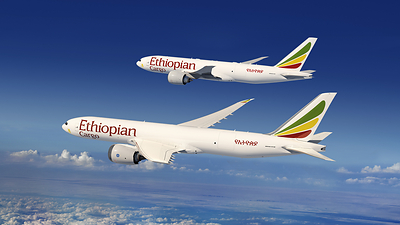
The Ethiopian national carrier has formalized the acquisition of ten new long-haul aircraft, comprising eight Boeing 777-8 Freighters and two 777 Freighters. This signing positions the airline as the very first African operator to invest in the American manufacturer’s new generation of widebody freighters, confirming its role as an indispensable logistics hub on the continent.
Consolidation of Cargo Leadership and Technological Upgrading
The integration of these new aircraft aligns with the expansion strategy of Ethiopian Airlines‘ cargo division, which already serves over 70 markets worldwide.
-
Operational Performance: The Boeing 777-8 Freighter offers a maximum structural payload capacity of 118 tonnes, combining increased range and optimized fuel efficiency to open new commercial routes.
-
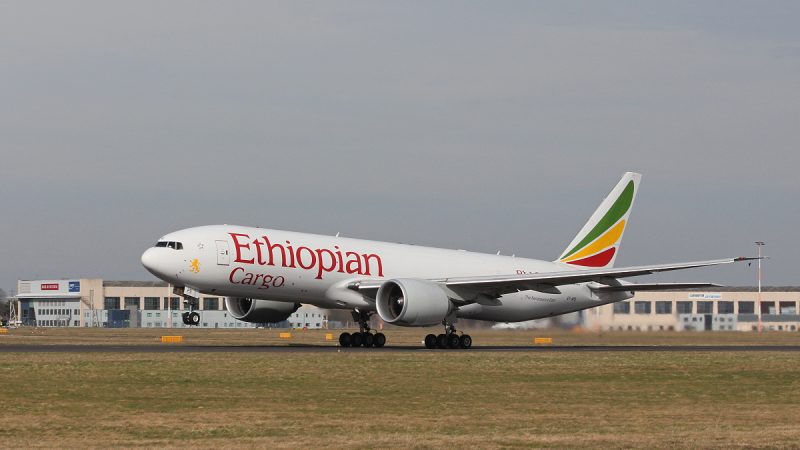
Fleet Modernization: This order complements an existing fleet composed of twelve 777 Freighters, two 767 Freighters, and four 737-800SF aircraft, reinforcing standardization and operational flexibility for the carrier.
Economic and Structural Challenges for the African Market
For the African air transport market, this investment goes beyond a simple commercial transaction to address major macroeconomic imperatives.
-
Streamlining Supply Chains: At a time when intercontinental logistics flows face heightened competitiveness requirements, bolstering cargo capabilities secures strategic exports and imports for the region.
-
Geostrategic Positioning: By doubling its order book on the 777X family—following an initial order for 777-9 passenger jets—Ethiopian Airlines sustainably consolidates Addis Ababa’s status as the principal gateway for trade between Africa and global markets.
Forward-Looking Perspectives:
Over the medium term, the success of this transition toward next-generation fleets will depend on the capacity of African airport infrastructures to absorb steadily growing cargo volumes. The risk of regional hub saturation and operational cost volatility remains a challenge for the continent’s carriers. Conversely, the opportunity lies in capturing global market share driven by the growth of e-commerce and intra-African trade under the momentum of the AfCFTA.