
TAAG Angola Airlines Reconnects Luanda and Praia: The Challenges of a Strategic Transatlantic Reconnection
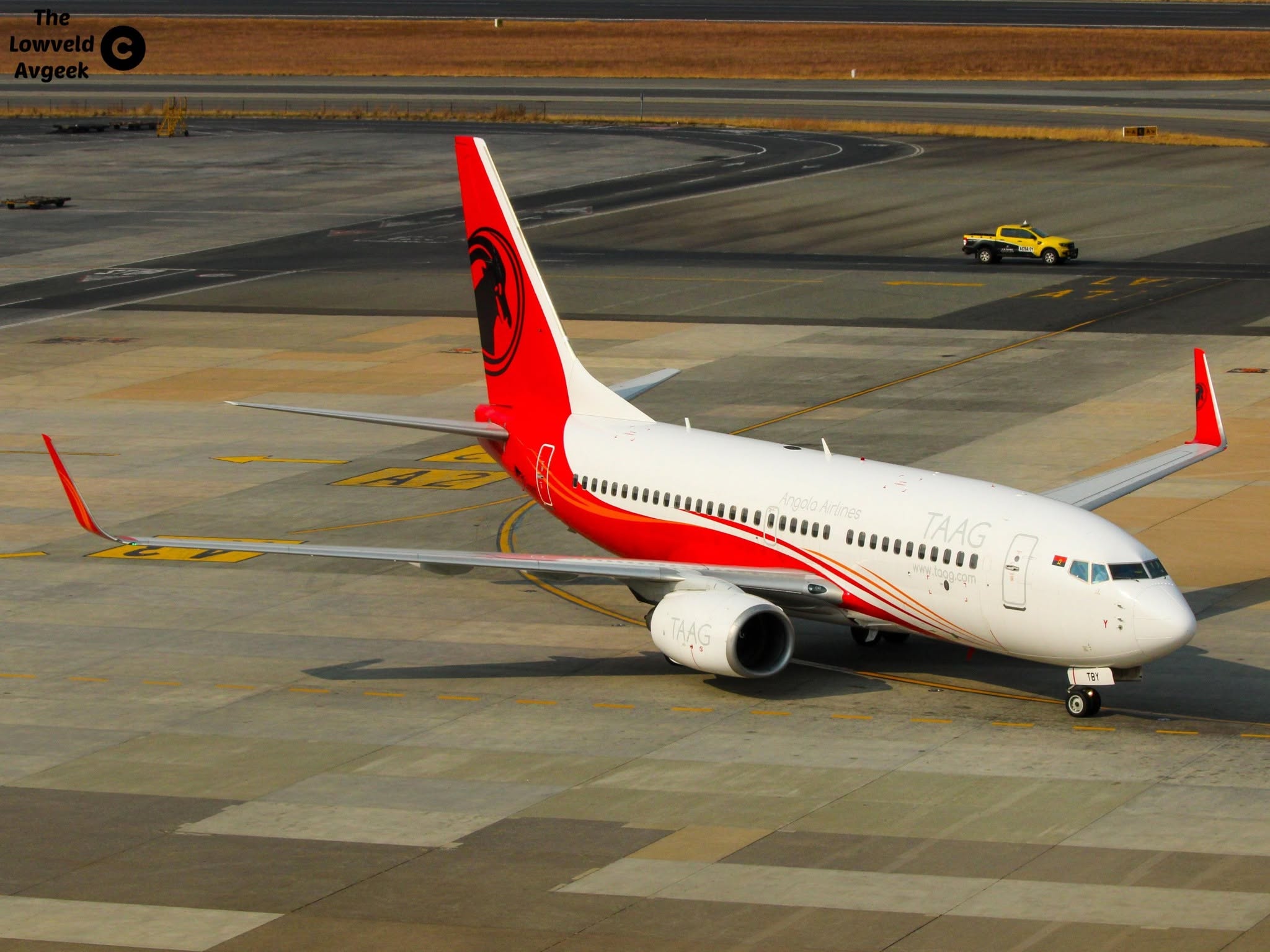
A decade after suspending its service, the Angolan national carrier is preparing to return to the Cape Verdean archipelago. A highly symbolic return formalized during the second Lusophone-African Investment Forum, highlighting the delicate equation of profitability on West African routes.
A Resumption Framed Around Regional Growth
Announced by Angolan Minister of Transport Ricardo Viegas d’Abreu during the Lusophone-African Investment Forum held on Sal Island, the reopening of the route between Luanda and Praia is scheduled for December 12, 2026, with ticket sales opening immediately.
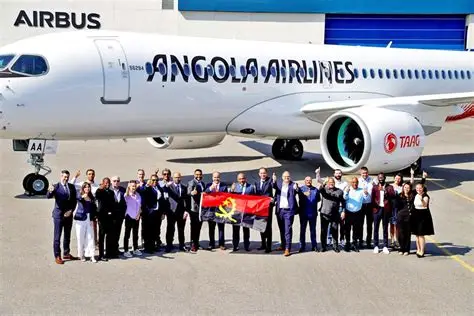
This direct flight—which also aligns with ongoing discussions held with Cabo Verde Airlines and a triangular route project via Dakar approved by Senegal’s civil aviation authority—marks a turning point for TAAG. The airline aims to consolidate its regional network ahead of the 2026/2027 IATA winter season, closing a chapter that began in 2016 when the route was suspended due to insufficient financial performance.
Between Integration Imperative and Economic Viability: The Test of Intra-African Routes
The Luanda–Praia dossier vividly illustrates the paradoxes of air transport across the continent. On one hand, the political and institutional will to strengthen connectivity between the linguistic and economic hubs of the Atlantic and Southern African regions remains an absolute priority. On the other hand, operational realities impose severe financial constraints.
The Angolan minister publicly emphasized the financial fragility of this route, pointing out structural difficulties tied to its profitability. This challenge is not isolated: it affects numerous under-served routes between Angola, West Africa, and the Gulf of Guinea, mirroring the ongoing absence of regular services to Bissau or Equatorial Guinea.
Strategic Impacts on the Aviation Ecosystem
This reopening generates direct repercussions for several key players along the value chain:
-
For Airlines (TAAG): The challenge lies in optimizing load factors and leveraging operational synergies, such as establishing a strategic stopover in Dakar. This enables the pooling of passenger flows and mitigates operational risk while supporting the airline’s international expansion strategy (recently highlighted by code-share agreements and technical approvals for new aircraft).
-
For States and Institutions: The objective is to move beyond mere political will by sharing costs through support mechanisms or risk-sharing frameworks for public interest routes. The success of such connections largely depends on regulatory fluidity and the effective implementation of open skies policies (such as the Single African Air Transport Market – SAATM).
-
For Investors and the B2B Market: The reinforcement of the Luanda–Praia axis stimulates business opportunities, business tourism, and migration flows between Southern and West Africa. However, the route’s long-term viability will require rigorous tracking of economic performance indicators.
Outlook: Betting on Sustainability Amid Market Uncertainties
Ahead of its launch in December 2026, the Luanda–Praia route will serve as a barometer to measure the capacity of African flag carriers to make strategic South-South corridors profitable. If the Angolan minister’s call for cost-sharing on trial routes resonates with regulators and institutional partners, this model could inspire similar approaches to open up other neglected markets in African skies. The primary risk remains medium-term financial sustainability, recalling that regional integration cannot be durably consolidated without strict economic equilibrium.