
Nigeria: 20-Year Dispute Over Lagos MM2 Terminal Comes to an End

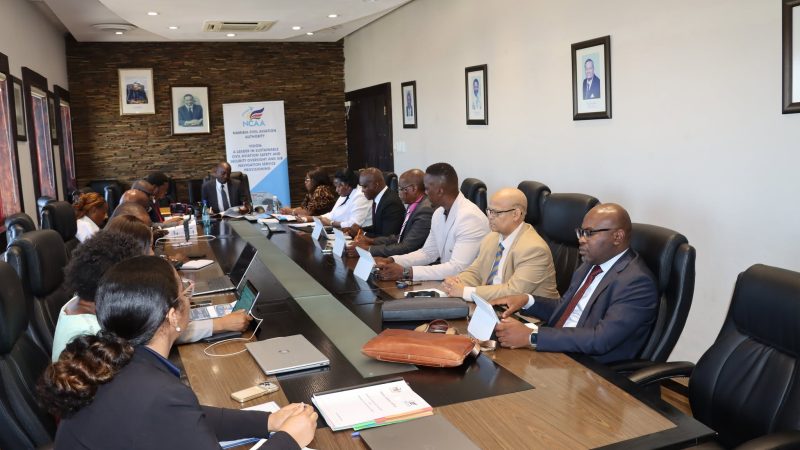
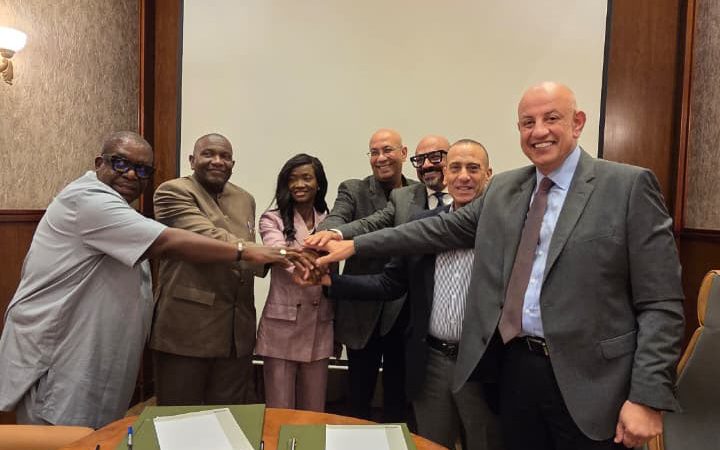
The Nigerian government and Bi-Courtney Aviation Services Limited have officially resolved a nearly two-decade-long dispute over the MM2 domestic terminal at Lagos’s Murtala Muhammed International Airport. The agreement, signed on October 20, 2026, paves the way for the resumption of concession revenue payments to the airport authorities and the revival of several infrastructure projects.
The settlement involves the Federal Government of Nigeria, the Federal Airports Authority of Nigeria (FAAN), Bi-Courtney Aviation Services Limited (BASL), and Stabilini Visinoni Limited. It follows years of legal proceedings concerning operating rights, financial obligations, and the management of airport facilities.
Under the agreement, Bi-Courtney has waived its claim for 132 billion naira, equivalent to approximately US$99 million, in compensation from the federal government. The company has also relinquished its exclusive claims over certain airport activities in Lagos and returned operational control of the General Aviation Terminal (GAT), also known as MM1, to FAAN.
In return, the federal government and FAAN have agreed to waive concession fees accumulated during the dispute. FAAN will therefore be able to resume collecting revenues under the original concession agreement signed in 2003.
Bi-Courtney will, however, retain the concession for the MM2 terminal. The company will also be permitted to expand its aircraft parking apron to accommodate regional intra-African flights, subject to the terminal’s capacity and the necessary regulatory approvals.
The agreement also provides for the resumption of the hotel and conference centre project located near the airport. Left unfinished for several years because of a separate dispute, the facilities are expected to be completed and operational within 24 months, in accordance with the terms agreed with the government.
The dispute originated from a concession agreement signed in 2003 for the design, construction, and operation of the domestic terminal. Inaugurated in 2007, MM2 subsequently became the subject of prolonged disagreements over operating rights, revenue sharing, and contractual obligations. The dispute led to several court proceedings, ultimately reaching Nigeria’s Supreme Court.
The resolution represents a significant milestone for Nigeria’s aviation sector. Authorities hope the settlement will restore public revenue flows, encourage investment, and improve airport infrastructure. However, the full benefits will depend on the effective implementation of the commitments made by all parties.