
Long-Haul Asset Dispute: Air Sénégal Fights for Ownership of Its Airbus A330neo Fleet
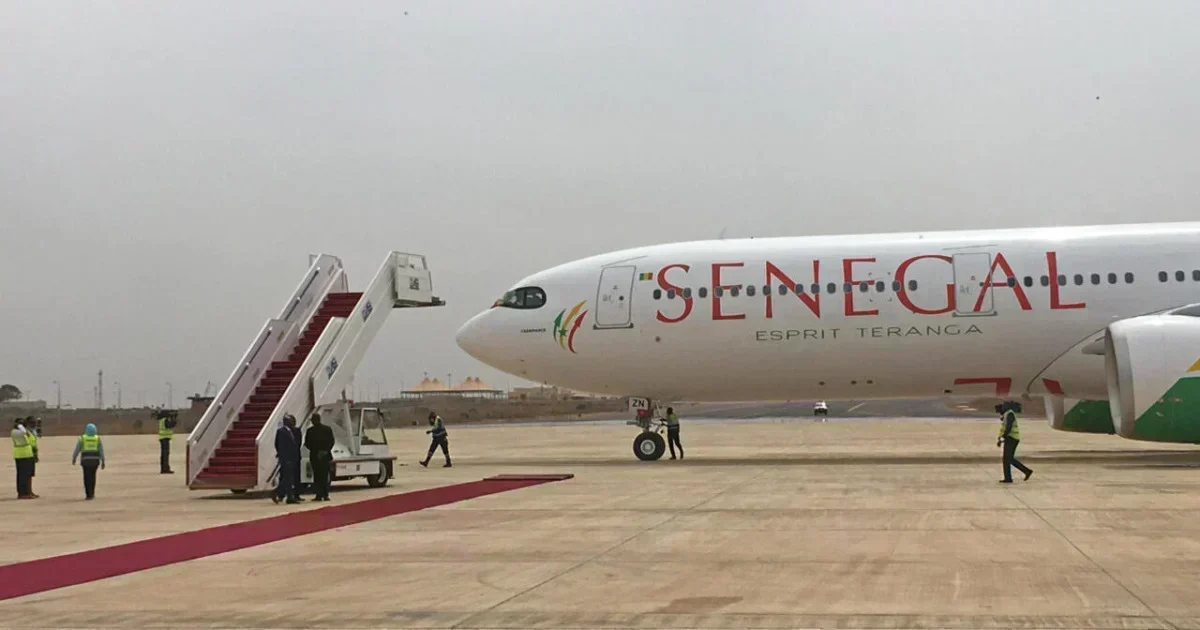
Amid a comprehensive restructuring of its financial model, Senegal’s flag carrier is reasserting its ownership rights over two Airbus A330neo aircraft in a confrontation with lessor Casamance Owner. This judicial and financial standoff—involving sovereign guarantees and foreign jurisdictions—highlights the underlying vulnerabilities of fleet leasing and financing mechanisms for African airlines.
A Complex Financial Architecture at the Core of the Dispute
At the center of this litigation is the structured financing framework of the two widebody aircraft. Air Sénégal states it directly funded 30% of the acquisition cost and has paid down over half of the loans contracted to finance the fleet.
The original arrangement was built around three key pillars:
-
Dominant Commercial Debt: Banco Santander provided 70% of the required acquisition capital.
-
Lease-to-Own Structure: The lease payments made by the airline were structured to service the debt owed to European banking partners, with direct registration of the aircraft in Air Sénégal’s name prior to full loan settlement.
-
Sovereign Backing: The financial package is backed by an official sovereign guarantee issued by the State of Senegal.
Although the carrier maintains it honored lease payments through December 2025, the termination of the lease agreements triggered a legal dispute over the continuity of the underlying financing scheme. In February 2025, the High Court of Justice in London ordered the grounding and repossession of the aircraft in favor of Casamance Owner. However, Air Sénégal contends that the lease termination does not void the overarching financing structure or its acquisition rights.
Governance, Sovereign Debt, and Legal Bottlenecks
This financial conflict comes at a time of severe liquidity pressures for the national airline. Former AIBD board chairman Tahirou Ndiaye estimated Air Sénégal’s total debt burden at over 300 billion CFA francs, largely driven by heavy fleet renewal commitments undertaken in 2018 and 2019.
Because the sovereign guarantee is at stake, the situation has triggered high-level diplomatic and institutional mediation, including talks between representatives of the French Embassy in Senegal and the Ministry of Terrestrial and Air Transport to prevent a sudden call on public finances.
On the legal and operational fronts, enforcing British court rulings faces territorial sovereignty hurdles. In accordance with Senegalese law and OHADA business law standards, any repossession or seizure order issued by a foreign tribunal remains unenforceable on Senegalese soil without an exequatur procedure granted by local courts.
Industry Outlook and Strategic Takeaways
The resolution of this dispute will be decisive for Air Sénégal’s long-haul strategy and its financial standing in international capital markets:
-
Asset Security and Operational Stability: Reaching a negotiated settlement with lessors and Banco Santander is essential to secure widebody operations and prevent prolonged grounding of strategic assets.
-
Debt Restructuring: Managing fleet-related liabilities will require debt rescheduling supported by the state shareholder to stabilize the airline’s balance sheet.
-
Implications for West African Aviation: This landmark case underscores the need for regional carriers to optimize financial engineering strategies and strictly evaluate currency, lease, and sovereign risk exposures during aircraft procurement.