
Namibia: Court Rules in Puma Energy’s Favour Over Aviation Fuel, But the Tender War Continues
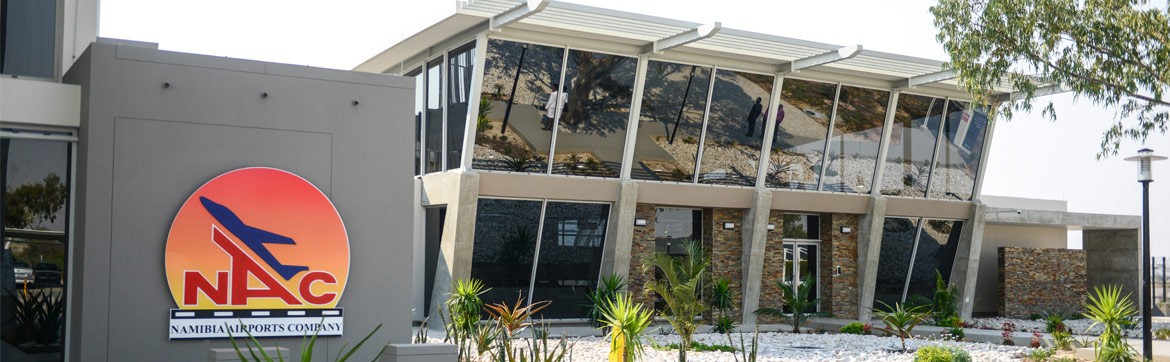
Namibia’s High Court has ordered the state-owned Namibia Airports Company (NAC) to allow Puma Energy to resume refuelling operations at Eros Airport and Andimba Toivo ya Toivo International Airport. The clarification, however, does not settle the underlying dispute: the contested award of the aviation fuel tender, which remains before the Supreme Court. A closer look at a legal saga raising broader questions about the legal certainty of airport concessions on the continent.
A Judicial Saga With Immediate Operational Stakes
The dispute dates back to March 2026, when NAC removed Puma Energy from operational areas at both Namibian airports, physically preventing the company from refuelling aircraft. Acting urgently, the High Court ordered on 2 April 2026 that possession of the facilities be restored to Puma Energy. NAC complied on the physical front, while maintaining that the order did not require it to authorise the resumption of Puma’s commercial fuelling activity. It is this restrictive interpretation that acting judge James Devittie has now overturned, ruling that restoring possession necessarily carried with it the right to operate.
This latest episode illustrates a recurring feature of airport disputes in Southern Africa: the blurred line between physical possession and commercial operating rights, which can paralyse critical services such as aviation fuelling for months at a time.
A Structural Dispute Over the Tender Award
Beyond this spoliation episode, the core of the dispute remains the award of the aviation fuelling tender — worth approximately N$222 million — which NAC granted in 2022 to Central Oil Namibia, at the expense of Puma Energy, the historical operator at both sites. Puma Energy is challenging that decision before the Supreme Court, arguing non-compliance with Namibia’s Public Procurement Act of 2015. That appeal remains unresolved to date, which explains why NAC still has not finalised a contract with Central Oil Namibia, several years after the initial award.
This prolonged state of contractual uncertainty highlights the tensions inherent to regulated markets for essential airport services, where a legal challenge to a tender process can freeze the relationship between an airport authority and an operator for years, at the risk of undermining operational continuity.
Impacts That Extend Beyond Namibia
For NAC and airport authorities, the case illustrates the legal and reputational risk attached to any contested award procedure in a sector where continuity of service — here, the fuelling of domestic and commercial flights — cannot be interrupted. Even a partial adverse ruling exposes a public operator to repeated litigation and to a climate of contractual insecurity vis-à-vis future partners.
For oil and energy operators active on the continent, this case is a reminder of the importance of legally securing concession contracts for critical infrastructure, particularly at a time when several African states are seeking to diversify their aviation fuel suppliers — sometimes at the cost of challenging historically dominant incumbents.
For airlines and passengers, the stakes are more direct: any disruption to, or uncertainty over, the supply of Jet A-1 or Avgas can translate into delays or even flight cancellations at airports that serve routes essential to domestic connectivity in Namibia.
For investors, this type of litigation underscores a risk factor often underestimated when assessing African airport infrastructure markets: the slowness of local judicial procedures and their capacity to freeze — sometimes for several years — the execution of contracts that have nonetheless been formally awarded.
Outlook: Towards a Lasting Resolution of Fuelling Concessions?
This Namibian case fits into a broader trend observed across the continent, where the gradual liberalisation of airport fuelling services is frequently accompanied by disputes over the regularity of tender procedures. Until Namibia’s Supreme Court rules on the merits, uncertainty will persist over who will ultimately supply aviation fuel at Eros and Andimba Toivo ya Toivo — a risk factor African airport authorities, engaged in ongoing infrastructure governance reforms, will need to learn to anticipate in order to safeguard both the attractiveness of their markets and the operational reliability of their airports.