
AFRAA 2026 Summit in Libreville: The Structural Challenges of African Air Transport Tested on Competitiveness
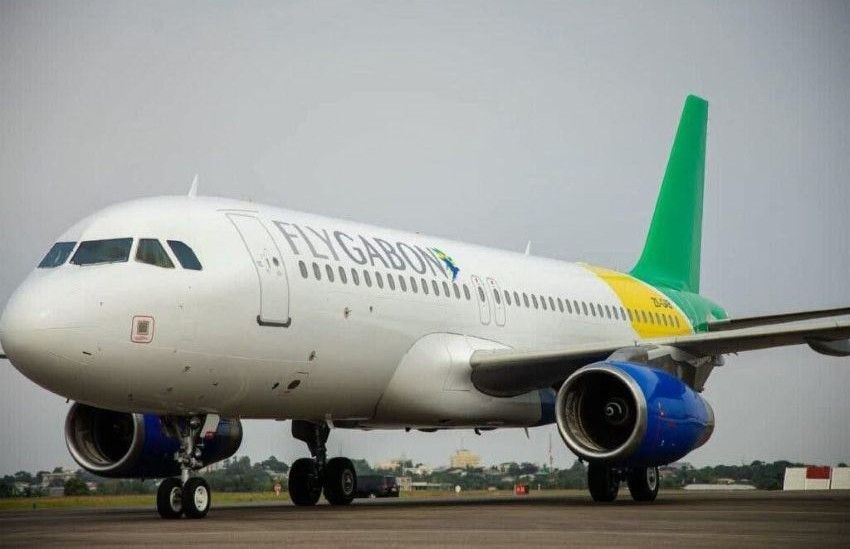
From November 22 to 24, 2026, the Gabonese capital will host the 58th Annual General Assembly of the African Airlines Association (AFRAA). Hosted at the Omar Bongo Palace with the support of FlyGabon and under the high patronage of national authorities, this summit brings together industry decision-makers, aircraft manufacturers, and financial stakeholders to address the central theme: “African Aviation 2030, The Industry We Need to Build.” Beyond protocol proceedings, this event serves as a strategic crossroads to question the economic viability, market integration, and financial sustainability of air transport across the continent.
Economic and Structural Challenges for the African Sky
The African aviation industry faces major structural constraints that hinder its full development potential. High financing costs, heavy operating expenses, and tax pressures on airlines weigh heavily on the competitiveness of intercontinental and intra-regional routes.
At a time when connectivity remains an essential lever to stimulate trade under the African Continental Free Trade Area (AfCFTA), the multiplication of taxes on air transport hinders fleet expansion and limits access to mobility for populations and businesses. The challenge is no longer just increasing the number of active aircraft, but optimizing operations and reducing the regulatory and tariff barriers that fragment the Single African Air Transport Market (SAATM).
Sectoral Impact and Stakeholder Positioning
For states and regulators, the Libreville gathering offers a platform to rethink public policies regarding airport taxation. Striking a balance between preserving public revenues and ensuring the financial viability of local airlines remains imperative to drive industry growth.
For operators, particularly the host airline FlyGabon, the challenge is to consolidate their strategic positioning and amplify the visibility of their operational model. This dynamic aligns with the AFRAA presidency held by Nyl Charles Moret-Mba, CEO of FlyGabon, marking the airlines’ commitment to a strong voice in continental decision-making bodies. B2B partnerships and technical roundtable discussions scheduled during the assembly aim to forge essential operational synergies in the face of dominant extra-African carriers.
Forward-Looking Perspectives:
By 2030, the credibility and sustainability of the African aviation model will depend on its ability to move from declarations of intent to true operational integration. The primary risk lies in persistent regulatory fragmentation and chronic over-taxation, which continue to penalize the profitability of local carriers. Conversely, the major opportunity lies in resource pooling and an effective unified market—a mandatory condition to transform African air transport into a genuine driver of economic growth and territorial cohesion.