
Tunisair Express in 2027 Budget: A Critical Subsidy Amidst Regional Aviation Challenges
 The inclusion of a 13 million Tunisian dinar subsidy for Tunisair Express in the 2027 national budget raises questions about the financial sustainability of regional carriers in North Africa, reflecting broader challenges in maintaining connectivity and operational viability in a competitive market.
Financial Support and Its Strategic Context
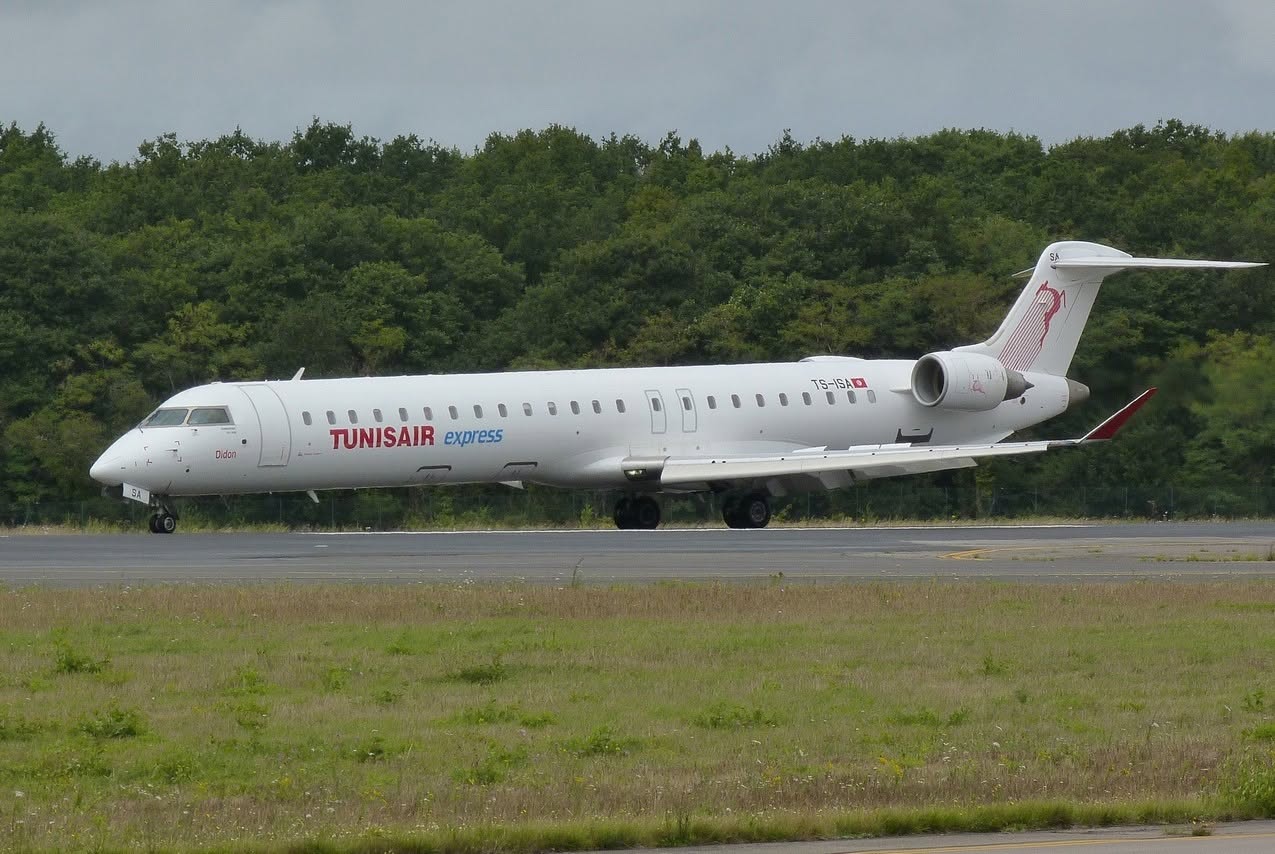
Tunisair Express, the regional subsidiary of Tunisia’s flag carrier, remains a pivotal player in connecting domestic and North African destinations. The allocated subsidy demonstrates government commitment to maintaining essential air links, especially in underserved or less profitable routes that are vital for regional socio-economic cohesion.
This financial aid must be understood against a backdrop of growing operational costs, regulatory pressures, and stiff competition both from low-cost carriers and alternative transport modes. It highlights the delicate balance governments face between supporting national carriers and fostering a liberalized, competitive aviation market.
Economic and Market Implications
Direct subsidies to airlines often aim to preserve routes that underpin regional development, tourism, and business travel. However, they also signify the fragile economic model of many state-associated carriers struggling with fleet renewal, fuel price volatility, and fluctuant demand—issues common across Africa’s aviation landscape.
For investors and market stakeholders, sustained subsidies signal persistent risks in profitability, potentially deterring private sector engagement unless accompanied by reforms to improve efficiency and market responsiveness.
Broader Sectoral Challenges and Opportunities
Tunisair Express’s budgetary aid exemplifies wider regional dilemmas: ensuring connectivity while adapting to market realities. North African carriers must navigate increasing liberalization under frameworks such as the African Continental Free Trade Area (AfCFTA) and the Single African Air Transport Market (SAATM), where competition and cooperation coexist.
The subsidy also prompts reflection on opportunities for strategic partnerships, regional alliances, and diversification—key to breaking the pattern of dependency on state support and advancing toward sustainable growth.
Outlook: Navigating Financial Stability and Market Integration in North African Regional Aviation
The 2027 subsidy highlights the immediate need for Tunisair Express to balance governmental support with operational reforms and strategic market positioning. The broader North African aviation sector is at a crossroads, where state intervention remains necessary but insufficient without comprehensive modernization.
Future prospects depend on adopting innovative business models, leveraging regional integration initiatives, and enhancing operational efficiencies. Airlines that successfully manage this transition will be better placed to capitalize on Africa’s growing aviation demand, while those reliant on subsidies without reform risk marginalization.