
Dragonfly Airlines Strengthens Fleet with Second Bombardier CRJ200
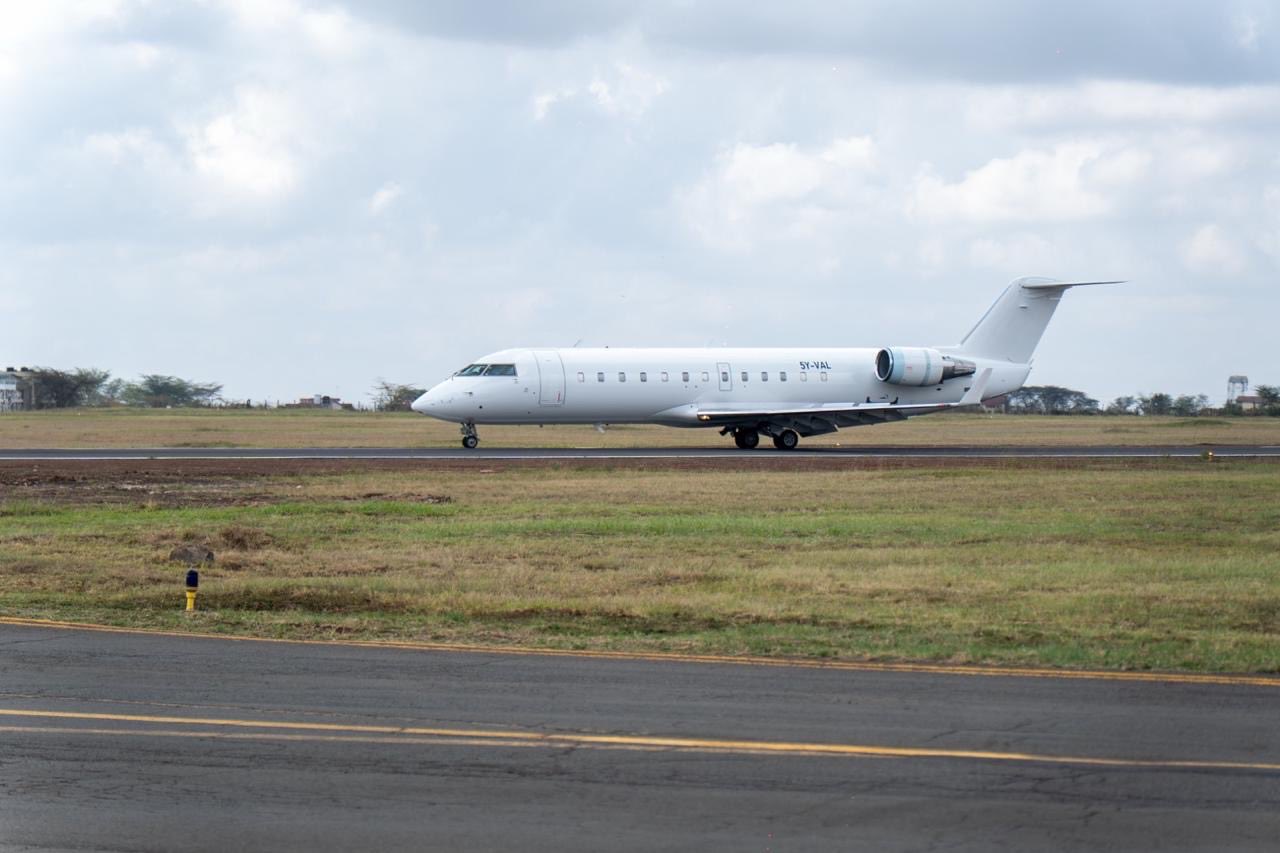
The acquisition of a second Bombardier CRJ200 by Dragonfly Airlines reflects a focused strategy to expand and optimize capacity in West Africa, where regional connectivity demand is rapidly increasing.
Strategic Positioning and Fleet Enhancement
Operating primarily in the West African market, Dragonfly Airlines is growing its fleet with this regional twin-engine aircraft, known for its efficiency on short to medium-haul routes. The CRJ200 allows the airline to tailor its offerings to traffic dynamics, especially serving secondary airports, while controlling operational costs and maintenance requirements.
This move aligns with a regional trend where carriers aim to better meet rising internal air mobility demand by improving flight frequency and service reliability.
Economic Stakes and Market Opportunities
Integrating this new aircraft provides Dragonfly with greater commercial and operational flexibility, essential to capturing the growing regional passenger flow and developing a denser network. For African airlines, managing cost per seat-kilometer is crucial amid competitive pressure and logistical challenges.
A modern regional fleet also facilitates partnerships with tour operators, codeshare agreements, and synergies with other air transport players.
Sector Impact and Regional Outlook
The fleet expansion through the CRJ200 acquisition is a positive sign for West African air transport growth. It demonstrates confidence in the regional market’s potential while contributing to local economic dynamism through enhanced connectivity.
In a context marked by gradual liberalization of African airspaces and integration efforts under initiatives like the Single African Air Transport Market (SAATM), this operational development aligns with continental ambitions to strengthen intra-African air links.
A Modernized Fleet to Support West African Air Transport Growth
Dragonfly’s investment in a second CRJ200 opens promising prospects for better regional network coverage with capacity adapted to market realities. Fleet modernization and rationalization will be key to maintaining African airlines’ competitiveness in coming years, against growing economic and environmental challenges.
Such fleet developments help bring local markets closer, boost tourism, and facilitate trade, positioning air transport as a strategic pillar for regional growth.